


Kingston 16GB DDR5 5600 MHz Desktop RAM Module Unbuffered CL46 Memory (KVR56U46BS8/16)



Estimated delivery within UAE 1-2 working days
Delivery to other countries 3-5 working days

Special Offers

Canon imageRUNNER 2930i Laser Multifunction Printer – White, Up to 30 PPM, 1200 x 1200 DPI, 7" WVGA Touchscreen, 1200-Sheet Capacity With DADF, Duplex, Network Kit
Canon imageRUNNER 2945i Office Black & White Copier up to 45ppm A3/A4 – 1 Unit, Comes With DADF, Duplex, Network Kit

Canon imageRUNNER ADVANCE DX C5840i Multifunctional Printer, White, 10.1 TFT LCD Control Panel, Up to 40ppm Print & Copy Speed, 600 x 600 Scan Resolution, Up to 1200 Sheets

Canon imageRUNNER 2425i,1GHz Dual Core Processor, 250 sheets Paper Tray, 25ppm Black and White Print Speed

Canon imageRUNNER C3326I 7-inch/17.8cm WVGA colour touchscreen 70ipm Scan speed,26ppm Print speed,2300 sheets Max paper capacity ADF + 2TRAY
-
Capacity: 16GB per module — suitable for modern desktops and multitasking
-
Memory Type: DDR5 — latest generation desktop memory technology
-
Speed: 5600 MHz — high-frequency performance for improved responsiveness
-
Latency: CL46 — balanced latency for stable everyday and gaming use
-
Form Factor: 288-pin DIMM — standard desktop memory interface compatible with DDR5 motherboards
| Brand | Kingston |
| Model | 16GB DDR5 5600 MHz Desktop RAM |
| Part Number | KVR56U46BS8/16 |
| Capacity | 16GB |
| Memory Type | DDR5 |
| Speed | 5600 MHz |
| CAS Latency | CL46 |
| Form Factor | 288-pin DIMM |
| Buffered / Registered | Unbuffered |
The Kingston 16GB DDR5 5600 MHz Desktop RAM Module (part number KVR56U46BS8/16) is designed for users who want to upgrade their desktop computing platform with modern memory technology that delivers higher bandwidth, improved efficiency, and future-ready performance. As desktop applications, games, and productivity environments continue to demand more from system memory, DDR5 memory modules like this one play a key role in helping systems handle multitasking, high data throughput, and responsiveness without becoming a bottleneck.
At its core, memory is one of the fundamental components that affects how a computer feels in everyday use. When a user launches applications, switches between open programs, and processes data in real time, the system’s memory must accommodate those requests quickly and efficiently. If memory is slow or undersized, the system can feel sluggish, applications may take longer to respond, and overall computing efficiency can diminish. Upgrading to a module like this Kingston DDR5 5600 helps reduce those bottlenecks by providing both higher speeds and larger capacity than many older memory configurations.
One of the most visible advantages of DDR5 memory is its frequency — in this case, 5600 MHz. Higher frequency memory modules can transfer more data per second, which translates to faster access times and better performance in memory-intensive scenarios. While real-world performance gains depend on the entire system configuration, including the processor and motherboard memory controller, higher frequency memory generally improves performance in tasks such as large spreadsheet manipulation, multimedia editing, compiling code, and gaming. For desktop users who regularly push their systems with heavy workloads or who simply want a snappier everyday experience, higher frequency DDR5 memory is a meaningful upgrade.
Another important specification in memory modules is latency, and this RAM carries a CL46 rating. Latency reflects the delay between a memory command and when data is actually available for use. Clock latency values like CL46 indicate that this module is tuned for a balance between high speed and stable performance. While lower latency is beneficial, in modern DDR5 systems the focus tends to lean toward higher overall bandwidth. The CL46 timing combined with 5600 MHz frequency strikes a practical balance for diverse desktop applications, ensuring that the module delivers solid throughput without introducing instability or undue timing delays.
Capacity is also a central consideration. With 16GB of memory per module, this Kingston kit provides plenty of capacity for many modern desktop use cases. For general productivity, web browsing with many open tabs, office workloads, light content creation, and even gaming, 16GB of RAM has become a common baseline expectation. For users who edit photos, work with multiple large files simultaneously, or want to future-proof their system for evolving software demands, 16GB helps ensure that the system does not run out of memory during peak demands. When memory is insufficient, systems can resort to slower storage swaps, which hurts performance. Sufficient RAM capacity helps keep data in the fast memory space where it is most accessible.
DDR5 memory also brings improved power efficiency compared to previous generations such as DDR4. DDR5 reduces operating voltage and uses internal power management improvements to help deliver memory performance with better energy characteristics. For desktop users this helps reduce overall system power draw and thermal output, which is relevant for users who build high-performance or quiet systems. Energy efficiency becomes more significant in desktops that run continuously or are used in productivity environments where stability and thermal management matter.
The form factor for this memory module is the standard 288-pin DIMM used in desktop platforms that support DDR5 memory. This ensures compatibility with the majority of modern desktop motherboards that feature DDR5 slots. When upgrading or building a new system, users should confirm that their motherboard supports DDR5 and consult the qualified memory list (QVL) for optimal compatibility, but in general the 288-pin DIMM form factor is the standard interface for contemporary desktop memory.
By choosing Kingston memory, users benefit from a manufacturer with a long track record in memory production and reliability. Kingston’s memory modules are tested to meet industry standards for stability and performance, helping ensure that systems remain dependable during everyday tasks. For users building systems that will be used for web browsing, productivity, development, content creation, or gaming, having reliable memory builds confidence that the system will perform consistently over time.
Installation of desktop RAM modules like this one is straightforward and requires minimal steps: powering down the system, inserting the DIMM into the appropriate memory slot according to the motherboard’s manual, and then powering up the system. The motherboard’s firmware typically detects the memory configuration automatically and sets appropriate operating parameters. For users who are new to memory upgrades, desktop memory remains one of the most accessible and impactful upgrades they can perform, with noticeable responsiveness improvements in many real-world scenarios.
From another perspective, memory upgrades enable better multitasking behavior. When a system has more memory and faster memory access, it can keep more applications and data readily available without having to rely on paging or other slower memory management techniques. This leads to less waiting when switching between multiple applications, fewer stalls during memory-demanding operations, and a generally smoother feel during daily computing habits. This is particularly valuable for users who utilize cloud-based productivity tools, run virtual machines, or engage in simultaneous workflows that span multiple software environments.
Gaming environments also benefit from faster and larger memory configurations. Modern games dynamically load assets, textures, and in-game data that are temporarily stored in system memory before being accessed by the CPU and GPU. While discrete graphics cards handle rendering tasks, system memory plays an important role in delivering data to these components efficiently. Faster memory can reduce stutters and improve performance under certain conditions, especially in titles that are sensitive to memory bandwidth. With 16GB capacity, many modern games can be played without memory reservoir bottlenecks, and the additional bandwidth from 5600 MHz DDR5 supports smoother game logic processing.
Desktop workstations used for content creation, multimedia editing, and video production also benefit from robust memory configurations. Programs like photo editors, video editors, digital audio workstations, and design suites often keep large datasets and cached content in memory during operation. With 16GB DDR5 memory, users can open, edit, and render content with fewer interruptions, and the high speed of DDR5 improves cache access and data movement across system memory. This means users spend less time waiting and more time engaged in productive creation.
Reliability is a central aspect for memory usage because memory errors can lead to system instability, data corruption, and unpredictable behavior. Kingston memory modules are manufactured and tested to meet quality benchmarks that help reduce the risk of such issues. While no memory solution is immune to every possible failure, choosing a reputable manufacturer’s module helps mitigate the risk of random system issues that arise from substandard components.
Overall, upgrading to or building a system with the Kingston 16GB DDR5 5600 MHz Desktop RAM represents a meaningful step toward modernizing a desktop PC. Whether the goal is to build a new system or upgrade an existing one, DDR5 memory ensures that the system can take advantage of the latest platform advancements. It provides the combined benefits of higher bandwidth, greater capacity, improved efficiency, and compatibility with current desktop architectures.
In summary, the Kingston 16GB DDR5 5600 MHz Desktop RAM Module (KVR56U46BS8/16) delivers modern memory performance designed for contemporary desktop computing environments. With its high frequency, practical latency, substantial capacity, and integrated efficiency improvements of the DDR5 standard, it supports responsive everyday use, diverse productivity tasks, multimedia workflows, and mainstream gaming scenarios. For users aiming to enhance their desktop system’s capability and keep it aligned with evolving software requirements, this module represents a solid and future-ready memory upgrade option.

HP Omen Transceptor Headset Case

Logitech Remote Laser R400 Wireless Presenter Remote
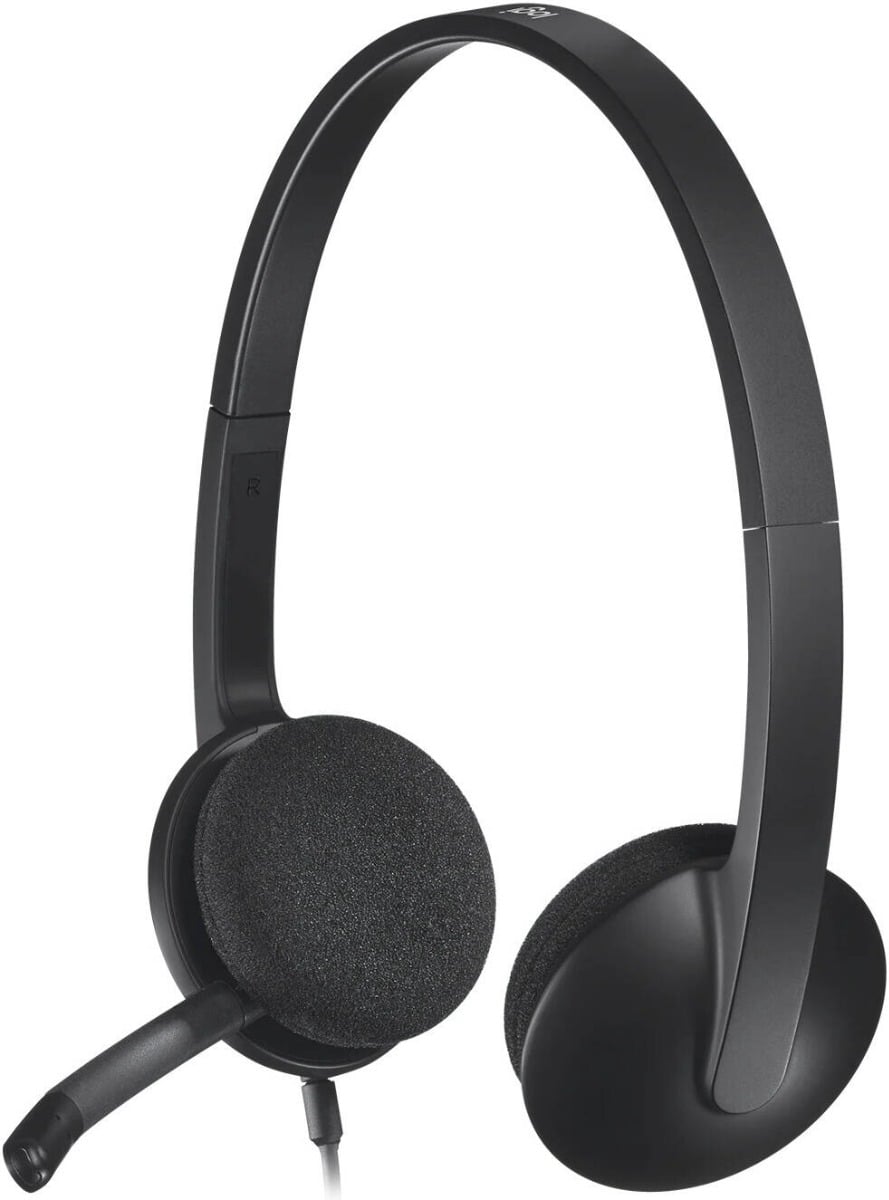
Logitech h340 usb computer headset

Logitech H110 3.5mm dual plug Stereo computer headset 981 000271

Logitech G305 Wireless Gaming Mouse Black

HP Mouse Usb M10 WIRED-BLACK

Sandisk 16GB Cruzer Blade USB Flash Drive

Kingston 32GB DDR5 5600MT/s CL46 1.1v 288 Pin Non ECC Desktop Memory


Logitech mouse M90 wired grey

Valve Steam Deck Handheld Gaming Console 64GB


Customer Reviews
No reviews yet. Be the first to review this product!