


CORSAIR 3000D RGB AIRFLOW Tempered Glass ATX Mid-Tower PC Case – White, 3× AR120 RGB Fans, High-Airflow Front Panel (CC-9011256-WW)



التوصيل داخل الإمارات 1-2 يوم عمل
التوصيل خارج الإمارات 3-5 يوم عمل

عروض خاصة

طابعة كانون imageRUNNER 2930i الليزرية متعددة الوظائف – باللون الأبيض، بسرعة تصل إلى 30 صفحة في الدقيقة، بدقة 1200 × 1200 نقطة في البوصة، شاشة لمس WVGA مقاس 7 بوصات، سعة 1200 ورقة مع وحدة تغذية تلقائية للمستندات (DADF)، طباعة على الوجهين، مزودة بوحدة شبكة
ناسخة مكتبية بالأبيض والأسود من كانون imageRUNNER 2945i بسرعة تصل إلى 45 صفحة في الدقيقة (A3/A4) – وحدة واحدة، تأتي مزودة بوحدة تغذية تلقائية للمستندات (DADF)، الطباعة على الوجهين (Duplex)، ومجموعة الشبكة (Network Kit).

طابعة Canon imageRUNNER ADVANCE DX C5840i متعددة الوظائف، باللون الأبيض، شاشة تحكم TFT LCD بحجم 10.1 بوصة، سرعة طباعة ونسخ تصل إلى 40 صفحة في الدقيقة، دقة مسح ضوئي 600 × 600، سعة ورق تصل إلى 1200 ورقة

طابعة كانون إيماج رانر ٢٤٢٥ آي ثنائي النواة بسرعة ١ جيجاهرتز ودرج ورق سعة ٢٥٠ ورقة وسرعة طباعة بالأبيض والأسود بسرعة ٢٥ صفحة في الدقيقة

كانون imageRUNNER C3326I 7 بوصة/17.8 سم WVGA شاشة لمس ملونة سرعة المسح 70 صورة في الدقيقة,سرعة طباعة 26 صفحة في الدقيقة,2300 ورقة أقصى سعة للورق ADF + 2TRAY
-
Case Type / Size: ATX Mid-Tower
-
Included Fans: 3× CORSAIR AR120 RGB
-
Fan Support: Up to 8× 120mm or up to 4× 140mm
-
Radiator Support: Up to 360mm (front), up to 280mm (roof)
-
Clearance Limits: GPU up to 360mm, CPU cooler up to 170mm, PSU up to 220mm
| Brand | CORSAIR |
| Series / Model | 3000D RGB AIRFLOW |
| Part Number | CC-9011256-WW |
| Case Size | Mid-Tower |
| Form Factor | ATX Mid-Tower |
| Color | White |
| Case Window | Tempered Glass |
| Warranty | 2 Year |
| Case Height | 466 mm |
| Case Length | 462 mm |
| Case Width | 230 mm |
| Weight | 8.6 kg |
| Included Fans | 3 × AR120 RGB |
| Fan Capacity | Up to 8 × 120mm or up to 4 × 140mm |
| Radiator Compatibility | 120mm, 140mm, 240mm, 280mm, 360mm |
| Max Radiator (Front) | Up to 360mm |
| Max Radiator (Roof) | Up to 280mm |
| Maximum GPU Length | 360 mm |
| Maximum CPU Cooler Height | 170 mm |
| Maximum PSU Length | 220 mm |
| PSU Type | ATX |
| Expansion Slots | 7 vertical |
| Internal Drive Bays | (x2) 3.5" or (x2) 2.5" |
| Internal 3.5" Drive Bays | 2 |
| Internal 2.5" Drive Bays | 2 |
| USB Ports | 2 × USB 3.2 Gen 1 Type-A |
| Audio | Headphone/Mic Combo Jack |
| Buttons | Power, Reset |
The CORSAIR 3000D RGB AIRFLOW Tempered Glass Mid-Tower in White (CC-9011256-WW) is built for people who want a modern, airflow-forward PC case that stays practical in real builds: it prioritizes cooling capacity, clean component fitment, and straightforward connectivity, while still giving the visual payoff of a tempered glass side panel and addressable RGB fans. The core idea behind this case is simple: a mid-tower ATX chassis should not force compromises when you build around today’s high-heat parts, but it also shouldn’t be oversized or awkward to work in. The 3000D RGB AIRFLOW lands in the sweet spot for mainstream performance systems—powerful enough to handle high-end hardware, yet compact enough to remain easy to place, move, and manage in everyday spaces.
A major reason buyers choose this chassis is its emphasis on airflow as the default behavior, not an optional upgrade. Many cases look fine in photos but become frustrating when the build is under sustained load: GPU temperatures creep up, CPU fans ramp constantly, and internal hotspots appear because intake and exhaust were never designed to move air efficiently. The 3000D RGB AIRFLOW is structured around avoiding that outcome. The front panel is engineered as a high-airflow intake design, and the interior layout is meant to support efficient fan placement and straightforward radiator mounting. In plain terms: it’s a case that’s intended to breathe properly from day one, rather than forcing the user to replace panels or redesign fan layouts to achieve basic thermal consistency.
Cooling capacity is one of the strongest decision points for this model. CORSAIR specifies that the interior can support up to eight 120mm fans or up to four 140mm fans, which means you have meaningful flexibility to tune the case around your actual priorities—quiet airflow at low RPM, high static pressure for radiators, or a balanced configuration. This matters because different builds behave differently: a GPU-heavy gaming system might benefit most from strong front intake and targeted airflow across the graphics card, while a CPU-heavy workstation might prioritize radiator placement and exhaust behavior. The case is also designed to support multiple radiator sizes, including up to a 360mm radiator in the front and up to a 280mm radiator in the roof. That combination is relevant because it allows a broad range of liquid-cooling setups, from a common 240mm AIO to larger radiators used for sustained thermal control, while still staying within a mid-tower footprint.
The “RGB AIRFLOW” edition includes three pre-installed CORSAIR AR120 RGB fans. This is not a trivial inclusion because fans are part of the total cost of ownership and part of the real thermal outcome. Many cases ship with only one fan or with non-RGB basics that users end up replacing. Here, the included fan set gives you a functional starting point without forcing immediate add-on purchases. From a setup perspective, the case is designed so you can light up the build immediately using a standard 5V ARGB motherboard header—meaning lighting can be driven directly from the motherboard ecosystem without requiring a separate lighting controller in the box. This approach is practical for mainstream builders because it reduces wiring complexity and makes the case easy to integrate into existing ARGB workflows, whether the user is building a first PC or upgrading within a familiar platform.
Component compatibility is another area where the 3000D RGB AIRFLOW is built around real-world needs rather than vague marketing. CORSAIR lists support for four-slot graphics cards up to 360mm in length. This is the kind of limit that prevents fitment mistakes, especially in an era where GPUs are physically larger and thicker than they used to be. The “four-slot” detail is particularly important, because it acknowledges that modern performance GPUs often occupy more than two slots in thickness. The case also provides two 120mm fan mounts on top of the PSU shroud, positioned to direct airflow straight toward the GPU. In practical build terms, this enables targeted cooling where it often matters most: across the graphics card’s intake area. Instead of relying solely on front-to-back airflow, this case provides options to control GPU temperatures more directly, which can improve stability and help reduce fan noise because the GPU does not need to compensate as aggressively.
For CPU air cooling, CORSAIR lists a maximum CPU cooler height of 170mm. This is a useful compatibility marker because it covers many popular tower air coolers while still keeping the chassis compact. For power supplies, the case supports ATX PSUs up to 220mm in length, which provides room for a wide range of modern PSUs while keeping cable routing manageable. These numbers matter because they remove guesswork and reduce the risk of discovering clearance problems late in the build. When a case clearly states its mechanical limits—GPU length, CPU cooler height, PSU length—it becomes easier to plan a system that fits cleanly, routes cables correctly, and maintains airflow the way it was intended.
Storage support is intentionally simple and functional. The case includes two storage drive trays that can be configured for up to two 2.5-inch SSDs or up to two 3.5-inch HDDs. This layout suits modern builds where high-capacity storage often lives on NVMe drives on the motherboard, while the case still provides internal bay support for mass storage or legacy drives. The removable tray approach also supports clean building and maintenance, because drives can be mounted with less awkward hand positioning inside the chassis. For many buyers today, a two-drive internal configuration is realistic: one large HDD for archival media or backups, plus one 2.5-inch SSD for additional game libraries or project files—while the primary operating system remains on NVMe.
The tempered glass side panel is built to showcase the internal layout without turning the case into a delicate display object. CORSAIR describes an easy slide-on, slide-off tempered glass panel design with tool-free attachment and detachment. This is meaningful for usability because a glass panel that is difficult to remove becomes annoying during the build process, during upgrades, and even during routine dust cleaning. Tool-free access improves the ownership experience over time because users are more likely to keep the system clean and properly maintained if the case makes it easy. A case can be mechanically compatible on paper but still frustrating in practice; this panel design is intended to reduce that friction.
Front I/O is modern and focused on the ports most users actually use. The top-front panel includes two USB 3.2 Gen 1 Type-A ports and a combined headphone/microphone jack, plus a power button and reset button. The value here is consistency and convenience: users can plug in peripherals, external storage, headsets, or controllers quickly without reaching around the back of the PC. For many builds, dual Type-A ports on the front remain the most practical I/O choice because so many accessories still ship with Type-A cables. The combined audio jack also aligns with common headset use, reducing the need for splitters for everyday scenarios.
Physical size is another practical consideration, especially in the UAE market where people often have desk setups optimized for mid-tower cases rather than full towers. CORSAIR lists the case dimensions as 466mm in height, 462mm in length, and 230mm in width, with a listed weight of 8.6kg. These measurements position it as a true mid-tower: substantial enough to handle high-performance hardware, yet not so large that it becomes inconvenient to place next to a desk or under it. The weight also reflects that it is designed as a sturdy steel chassis with tempered glass, not an ultra-light shell. A heavier case is not automatically “better,” but in this context it usually signals structural rigidity, which helps with long-term durability and the feeling of solidity when working inside the case.
Another practical detail is expansion and build planning. CORSAIR lists seven vertical expansion slots, which aligns with standard ATX mid-tower expectations and supports typical multi-slot GPU setups. That matters because with thicker GPUs, you want to ensure you still have slot space and positioning flexibility without forcing awkward compromises on capture cards, sound cards, or other add-ins. Even if a user does not plan to add extra cards today, having a conventional slot layout makes future upgrades simpler.
In real usage, this case is best understood as a balanced platform: it offers strong cooling headroom without demanding an advanced custom loop, it supports modern GPUs up to 360mm, it accommodates meaningful radiator sizes for liquid cooling, and it includes RGB fans in a way that stays straightforward to integrate with motherboard ARGB control. The airflow-oriented front panel supports stable long-session performance by improving intake volume, and the internal fan/radiator flexibility gives builders multiple valid configurations. That flexibility is valuable because different users prioritize different outcomes: some want maximum cooling at the expense of noise, others want quiet performance with fewer fans at lower RPM, and many want a middle ground that keeps temperatures stable without aggressive acoustics.
If you are building a gaming PC with a modern multi-slot GPU, the 3000D RGB AIRFLOW is designed to keep that GPU supplied with fresh intake air and to give you options for direct airflow targeting. If you are building a mixed-use workstation, it supports front and roof radiator choices that can help maintain CPU stability under sustained workloads. If you are building a clean showpiece PC, the tempered glass panel and included ARGB fans provide the visual presentation without forcing complex controllers or additional parts to get started. Across these use cases, the product’s value is that it clearly specifies its capabilities, focuses on airflow as the default behavior, and stays within the footprint and usability expectations of a modern ATX mid-tower case.

مزود الطاقة FSP Hydro PTM Pro Platinum HPT2-850M STD0005 PPA8502204

مزود الطاقة FSP Hydro Gold Pro 750W HG2-750/PPA7505406

جهاز عرض لاسلكي من Logitech Remote Laser R400

ماوس الألعاب لوجيتك MX518 - أسود

ماوس لوجيتك M90 سلكي باللون الرمادي

ماوس لوجيتك M100 سلكي رمادي 910 005003

سماعة كمبيوتر USB Logitech H390
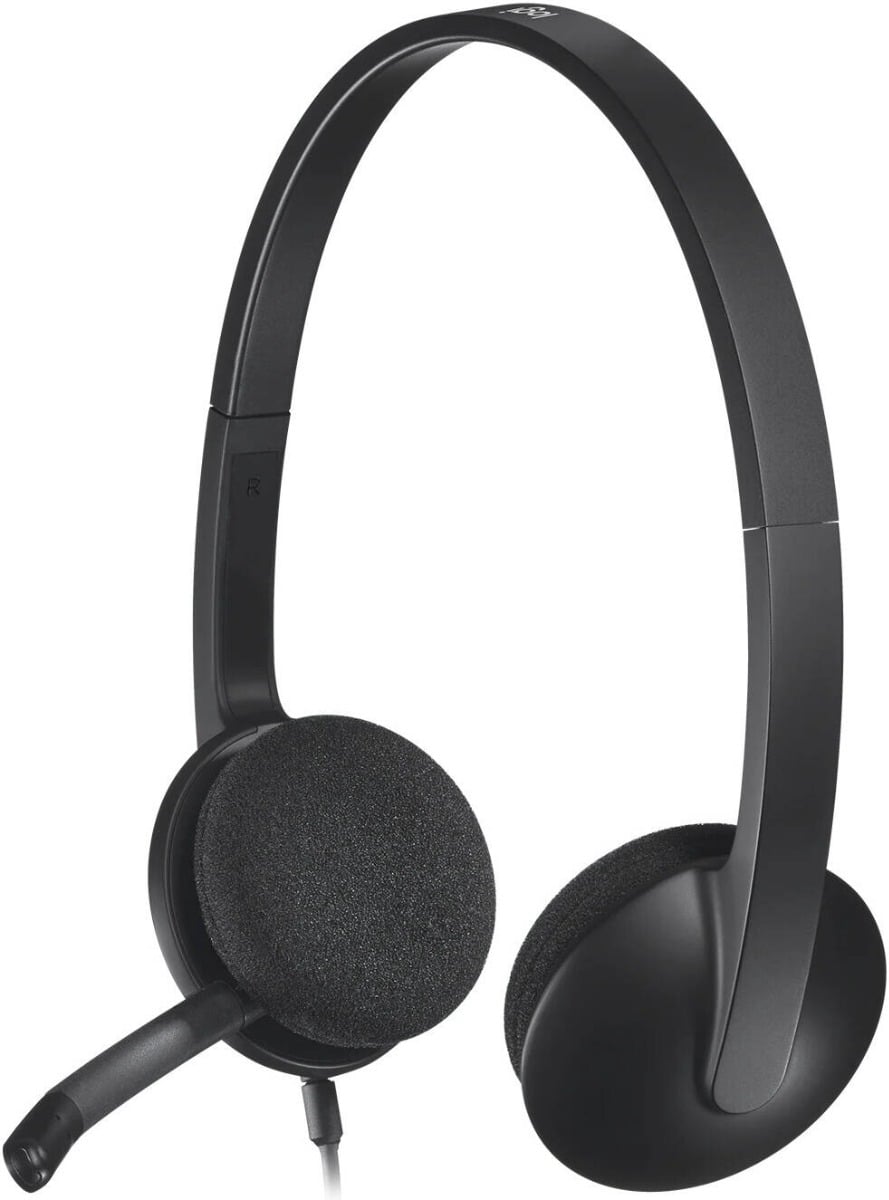
سماعة كمبيوتر USB Logitech h340


CORSAIR H150 RGB 360mm Liquid CPU Cooler

مبرد وحدة المعالجة المركزية السائل CORSAIR iCUE LINK H100i RGB AIO باللون الأبيض

كورسير iCUE LINK H100i RGB AIO وحدة تبريد بالسوائل لوحدة المعالجة المركزية أسود

CORSAIR iCUE H100i ELITE LCD XT Display Liquid CPU Cooler Black

مبرد وحدة المعالجة المركزية المركزية CORSAIR iCUE H100i ELITE شاشة LCD

Corsair iCUE H100i Elite CAPELLIX XT Liquid CPU Cooler

مزود الطاقة FSP Hydro PTM Pro Platinum HPT2-1000M STD0005-PPA10A2805


Brother DCP T220 Printer, Up to 16/9 ipm (Mono/Color), Up to 1,200 x 6,000 dpi, DCP-T220

لوحة مفاتيح HP USB سلكية K200

اتش بي ديسك جيت 2320 طابعة الكل في واحد - ابيض، طباعة، نسخ، مسح ضوئي، 7WN42B

ECS ليفا Z3 بلس ميني بي سي انتل كوميت ليك يو 4-كور I7-10510U

Apple iPhone 15 Pro - Middle East Version 256GB Natural Titanium


مراجعات العميل
No reviews yet. Be the first to review this product!