


GIGABYTE GeForce RTX 5060 WINDFORCE MAX OC 8G Graphics Card (GV-N5060WF2MAX OC-8GD) – 8GB GDDR7 128-bit, 28 Gbps, 3840 CUDA Cores, 2512 MHz OC, PCIe 5.0, DP 2.1b x3, HDMI 2.1b



Estimated delivery within UAE 1–2 working days
Delivery to other countries 3–5 working days

-
GPU / Platform: NVIDIA GeForce RTX 5060, powered by NVIDIA Blackwell architecture with DLSS 4 support
-
Factory OC Clock: 2512 MHz core clock (reference card: 2497 MHz)
-
Memory: 8GB GDDR7, 128-bit, 28 Gbps memory clock
-
Connectivity: PCIe 5.0; 3x DisplayPort 2.1b + 1x HDMI 2.1b; supports up to 4 displays
-
Build & Power: WINDFORCE cooling system (Hawk fan + server-grade thermal conductive gel) and reinforced structure; 1x 8-pin, 550W recommended PSU
| Graphics Processing | GeForce RTX™ 5060 |
| Core Clock | 2512 MHz (Reference card: 2497 MHz) |
| CUDA® Cores | 3840 |
| Memory Clock | 28 Gbps |
| Memory Size | 8 GB |
| Memory Type | GDDR7 |
| Memory Bus | 128 bit |
| Card Bus | PCI-E 5.0 |
| Digital Max Resolution | 7680 x 4320 |
| Multi-view | 4 |
| Output | DisplayPort 2.1b x 3 HDMI 2.1b x 1 |
| DirectX | DirectX 12 API |
| OpenGL | 4.6 |
| Recommended PSU | 550 W |
| Power Connectors | 8 Pin x 1 |
| Card Size | L=199 mm W=116 mm H=40 mm |
| PCB Form | ATX |
| Accessories | Quick guide |
-
The GIGABYTE GeForce RTX™ 5060 WINDFORCE MAX OC 8G (GV-N5060WF2MAX OC-8GD) is a factory-overclocked graphics card built for users who want modern RTX features, fast next-generation memory, and a cooling design engineered for stable performance in a compact, build-friendly footprint. It targets the sweet spot for gamers and creators who care about real-world consistency: reliable thermals, efficient airflow, modern display connectivity, and a reinforced physical design that stays solid over time.
At its core, this model is based on the NVIDIA Blackwell architecture and supports DLSS 4. In practical terms, the Blackwell generation is designed to advance AI-assisted rendering and responsiveness features that increasingly define the gaming experience on the GeForce platform. GIGABYTE positions this card as part of the RTX ecosystem aimed at “gamers and creators,” and the platform messaging highlights key pillars such as AI-enhanced performance, low-latency responsiveness, and ray tracing capability supported by the RTX feature stack. For a buyer, the result is straightforward: a modern GPU platform intended to keep up with current game engines and the accelerating use of AI-powered features in both games and creative software.
This WINDFORCE MAX OC edition is tuned with a 2512 MHz core clock, listed as an overclock compared to the 2497 MHz reference card clock. That difference matters because it indicates this specific board is configured for a higher rated clock target out of the box—no manual tuning required just to reach the model’s stated performance profile. Actual real-time behavior can vary with workload, temperature, and system airflow, but a manufacturer-specified OC clock gives a clear baseline for comparing partner designs within the same GPU tier.
Compute capability is defined by the GPU’s parallel resources. This card is specified with 3840 CUDA® cores, providing a large pool of parallel processing blocks used for shading, raster workloads, and GPU-accelerated compute tasks. CUDA core count is not the only determinant of performance, but it is one of the most important “hard” specs buyers use to compare products within the same family. For supported creative and productivity applications, the GPU’s parallel compute scale can influence how smoothly GPU-accelerated effects run, how responsive previews feel, and how well the system handles complex scenes or layered workloads.
Memory is a major highlight of this generation. The card is integrated with 8GB of GDDR7 memory on a 128-bit memory interface, running at a 28 Gbps memory clock. GDDR7 is designed to deliver high data rates, and the 28 Gbps figure signals a high-speed memory configuration at this tier. In modern gaming, memory performance affects how efficiently the GPU can access textures, frame buffers, and scene assets—especially when games stream large amounts of data and rely on fast VRAM access to maintain consistency. Capacity also matters: 8GB provides a defined VRAM pool for current games and accelerated workflows. While VRAM requirements vary by title and settings, a clearly specified 8GB configuration is an important planning point for buyers deciding target resolution, texture settings, and longevity expectations.
Connectivity is fully modern. The card uses PCI-E 5.0 as its host interface and includes a display output layout designed for contemporary monitors and multi-display setups: three DisplayPort 2.1b ports and one HDMI 2.1b port. It supports up to four displays (multi-view: 4) and lists a maximum digital resolution of 7680 × 4320. This makes it suitable not only for a single high-refresh gaming monitor, but also for productivity-oriented multi-monitor environments—streaming layouts, creator workstations, or any setup where extra screens improve workflow.
Where this model differentiates itself in everyday use is the cooling and build design. GIGABYTE equips it with the WINDFORCE cooling system, and the company describes the thermal solution as combining multiple technologies to deliver “exceptional thermal performance.” The WINDFORCE system on this card includes server-grade thermal conductive gel, Hawk fans with alternate spinning, a copper plate, composite copper heat pipes, 3D active fan behavior, and screen cooling. Each element plays a role in how the card manages heat under real load.
The Hawk fan is described as using a blade design inspired by the aerodynamics of an eagle’s wing. GIGABYTE states the design reduces air resistance and noise levels and is intended to increase air pressure and air volume without compromising acoustics. In addition, the cooling approach includes alternate spinning, which is described as reducing turbulence between adjacent fans and increasing airflow pressure. These details matter because GPU cooling is not only about raw airflow; reducing turbulent interference can help airflow behave more predictably through the heatsink, which in turn supports stable temperatures during longer gaming sessions.
Another practical feature is 3D Active Fan, which provides semi-passive cooling behavior—meaning the fans can remain off when the GPU is under low load or in low-power scenarios. In day-to-day use, this can reduce noise during lighter tasks such as web browsing, office work, or low-demand applications, while still ramping cooling when the GPU is pushed.
Thermal transfer quality is also emphasized. GIGABYTE describes a copper plate that directly contacts the GPU, coupled with composite copper heat pipes that quickly transfer heat from the GPU and VRAM to the heatsink. The card also features screen cooling, described as an extended heatsink that allows air to pass through for better heat dissipation. Together, these elements are designed to keep the GPU operating within a stable thermal range, which supports consistent performance and reduces the likelihood of heat-related throttling under sustained load.
A notable design point is the server-grade thermal conductive gel used for cooling critical components such as VRAM and MOSFETs. GIGABYTE describes it as a highly deformable, non-fluid gel that provides optimal contact on uneven surfaces and resists deformation from transport or long-term use compared to traditional thermal pads. From a buyer’s perspective, this is about long-term reliability and consistent contact quality—two things that matter when a GPU is expected to run for years across different temperatures and usage patterns.
Durability and structure are also part of the value proposition. GIGABYTE includes a reinforced structure, and specifically describes a reinforced backplate with a bent edge that is securely fastened to the I/O bracket to provide “exceptional structural integrity.” This matters in modern builds because GPUs can be physically heavy components; reinforcement helps resist flex and supports long-term stability, especially during shipping, movement, or frequent upgrades.
GIGABYTE also lists “Ultra Durable” design points that describe component-level choices intended to support performance and longevity. These include MOSFETs designed for lower switching resistance, metal chokes intended to reduce energy loss and EMI interference at high frequency, and lower ESR solid capacitors intended to support conductivity and longer lifespan. These are internal engineering choices, but for the buyer they translate into a product designed with durability and stable operation in mind.
From an ecosystem and feature perspective, the card is part of the RTX platform messaging that includes AI-enhanced graphics, responsiveness technology, and creator tooling. The product page references RTX platform elements such as DLSS 4 with Multi Frame Generation, NVIDIA Reflex 2 with Frame Warp for responsiveness, and NVIDIA creator support via NVIDIA Studio tools and drivers, plus NVIDIA Broadcast and a ninth-gen NVIDIA Encoder referenced for video workflows. In practice, availability and behavior of these features depend on software support and the specific application or title, but they are central reasons many users choose an RTX card over alternatives.
Finally, this model is easy to plan into a build. The card size is listed as L=199 mm, W=116 mm, H=40 mm, which helps with case compatibility—especially in builds where GPU clearance is tight. Power planning is also clear: one 8-pin connector and a 550W recommended power supply. This makes it a practical match for mainstream gaming systems without requiring specialized power adapters.
In summary, the GIGABYTE GeForce RTX™ 5060 WINDFORCE MAX OC 8G is a modern RTX 50-series graphics card that combines a clear factory OC spec (2512 MHz), fast next-gen memory (8GB GDDR7, 28 Gbps, 128-bit), modern display connectivity (DP 2.1b x3 + HDMI 2.1b), and a cooling and build system designed for stable, reliable performance (WINDFORCE cooling, Hawk fan, server-grade thermal gel, reinforced structure). It’s built to deliver a balanced experience for gaming and creator workloads with a focus on consistency, durability, and real-world usability.


FSP Power Supply Hydro PTM Pro Platinum HPT2-1000M STD0005-PPA10A2805

Logitech Wired Combo MK120 EN/AR 920-002546

Logitech Remote Laser R400 Wireless Presenter Remote

Logitech mouse M100 wired grey 910 005003

logitech H390 usb computer headset
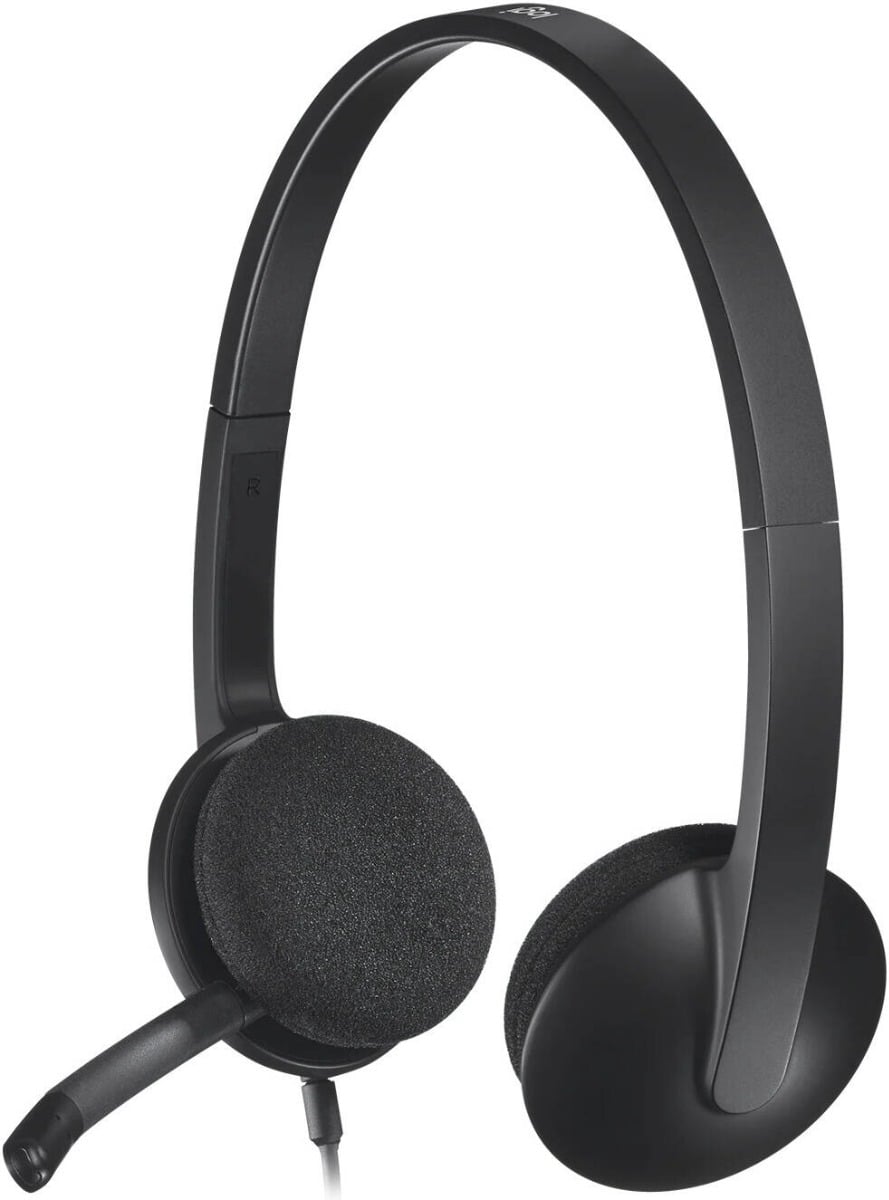
Logitech h340 usb computer headset


HP Speaker DHS-2111 Wired-Mini USB Speaker-Black


Gigabyte Power Supply 1000W 80 PLUS GOLD-UD1000GM,Fully Modular,120mm Smart Fan

Gigabyte Power Supply 850W 80 PLUS GOLD-UD850GM (GEN5)Fully Modular,120mm Smart Fan


FSP Power Supply Hydro PTM Pro Platinum HPT2-850M STD0005 PPA8502204
HP Speaker DHS-2111 Wired-Mini USB Speaker-Black

Tenda W311M Wireless N150 Nano USB Adapter

Tenda A18 Boost AC1200 WiFi for whole home


D-Link 5 Port Gigabit Unmanaged Desktop Switch DGS-105


Tenda AC6 AC1200 Smart Dual-Band WiFi Router
Customer Reviews
No reviews yet. Be the first to review this product!